
By Electrical Wire Color Codes 9682
NEC Wire Color Codes vs IEC Wire Color Codes
Global Use of Wire Color Codes
Special Cases and Applications
Troubleshooting and Common Errors
Wire color codes are an international standard system that uses insulation colors to show the function, phase, or purpose of a wire.
It works like a “language” for wires. With clear color differences, it ensures safety, efficiency, and accuracy in electrical installation, maintenance, and repair.
From home wiring to industrial machines and even international projects, following color code standards is a basic requirement in the electrical industry.
This system covers both AC (Alternating Current) and DC (Direct Current) circuits. It separates live wires (phase), neutral wires, and ground wires. In three-phase systems, it gives each phase a special color.
Standardized color codes reduce wiring mistakes and risks. Electricians, engineers, and technicians must know this basic knowledge.
According to the IEC (International Electrotechnical Commission) 2023 report, using standard color codes reduces wiring errors by about 30% and accidents by 25%.
The system defines three main wire types:
These three types create the basic framework of the color code system.
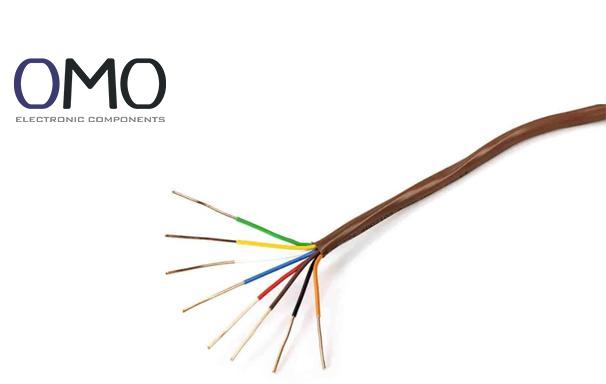
NEC is used in the USA, Canada, and other North American regions.
NEC uses dark colors for live wires and light colors for neutral wires. Some U.S. states may adjust NEC locally, so check local rules.
IEC is used in Europe, Asia, and many international projects.
IEC uses warm colors for live wires, cool colors for neutral, and a bright yellow-green mix for ground.
| Feature | NEC | IEC |
| Live wire | Black (single-phase) | Brown |
| Neutral wire | White or gray | Blue |
| Ground wire | Green or bare | Yellow-green |
| Region | North America | Europe, China, etc. |
In global projects, this difference is important. Old tools cannot always handle both. But modern smart voltage testers can detect NEC and IEC systems automatically.
Inspections are strict, and color checking is part of safety checks.
EU countries: Use EN standards (based on IEC).
UK: Still follows IEC-based BS standard.
Russia: Uses IEC rules but has its own number system.
Ground wires must always be yellow-green, not plain green.
In 2024, IEC use in Asia reached 85%.
This region keeps some historical colors but is moving to IEC.
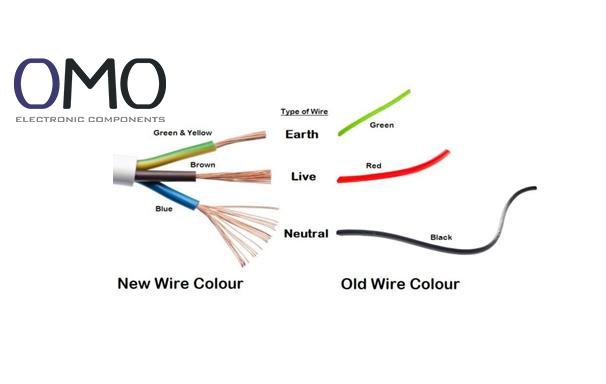
Single-Phase (230V)
Mistakes here are common. Old testers check one by one, but smart test pens with LED and sound can show the type in 10 seconds.
Three-Phase (400V)
Wrong phase order may reverse motors. Correct colors are very important.
DC System
DC codes are used in solar systems, batteries, and cars.
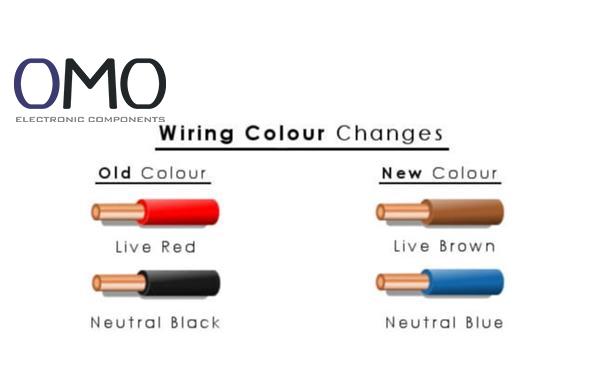
Smart analyzers can identify lines in one step, reducing risks.
Professionals must not confuse these with power codes.
When colors are not enough, use tape:
Tape must be clear and durable.
About 40% of electrical accidents come from wiring errors.
Smart testers can do all in one, saving time and avoiding mistakes.
According to U.S. electrical standards, a ground wire is designated either by the color green (or green with a yellow stripe) for insulated wires, or as bare copper.
Standard color codes typically indicate a wire's function: green/yellow for grounding, white or gray for neutral, and black, red, or blue for live (phase) wires. However, these colors are not universal and can differ by location.
If you need to determine which wire is hot and it lacks color coding, you can use a tool like a non-contact voltage tester or a multimeter to detect the presence of live current. Another approach is to inspect the fixture or outlet for any identifying markings, labels, or terminal designations.
A four-wire system typically features the following color code: red for positive power, black for negative power, white for signal A, and green for signal B (or ground).