
By Portable Power Station 2738
What Is a Portable Power Station?
Limitations of Portable Power Stations
Portable Power Station vs. Fuel Generator vs. Power Bank
A portable power station is like a “super mobile power bank” with a large rechargeable battery inside. It has key parts like an inverter that changes stored DC (Direct Current) power into AC (Alternating Current) power for home appliances. It also has many DC output ports like USB and car chargers. One device can meet many power needs in different places.
A portable power station includes several important parts:
The power station works in a smart and efficient way:
AC devices: DC power goes through the inverter and becomes AC power.
DC devices: DC power goes through a voltage regulator and comes out directly.
The power station gives a quiet, zero-emission, and portable power solution. It can power both AC and DC devices. It supports solar charging. It is a great choice for off-grid life or emergency power backup.
It makes camping better. It powers tent lights, fans, mini fridges, projectors, speakers, drones, and cameras. You can watch movies under the stars or keep food fresh. A portable power station makes outdoor life more relaxing.
It protects your home during blackouts. In a storm, it lights your home, keeps the router on, charges phones, and powers medical devices like CPAP, small fridges, and fans for hours or even days. It is a key tool in emergency kits.
It is a “power buddy” for business people. No outlet in the café? No power at the airport? It can power laptops, monitors, NAS drives, and cameras. It’s great for video creators or outdoor livestreams needing long power time.
It helps at remote sites without power, like film sets, exploration spots, or small construction areas. It can power LED lights, small drills, tools, and communication gear (if power matches). Its quiet nature is perfect for noise-sensitive places.
It adds clean power to RVs and boats. It supports lights, small appliances, and entertainment gear. It reduces fuel use and noise from generators, making travel more comfortable and green.
It is the “invisible engine” of creative markets. It runs coffee machines, blenders, mini fridges, LED lights, payment machines, and screens. No need to find a power outlet. You can set up your booth anywhere.
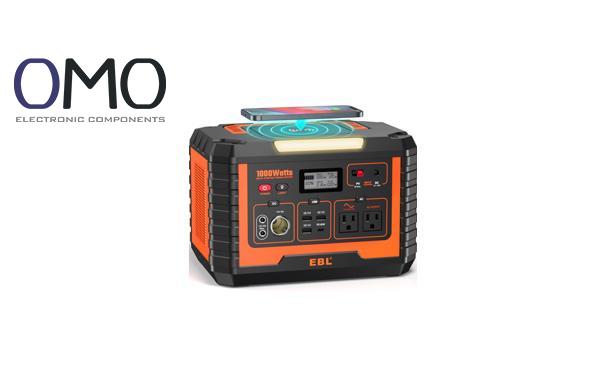
Enjoy quiet power and protect the environment. Portable power stations run completely silently (noise level <30dB, like a whisper) and produce no exhaust gas. This is much better than traditional fuel generators (usually >65dB and release harmful gases). So, you can safely use them inside tents, bedrooms, or enclosed spaces.
They have a built-in smart BMS (Battery Management System). It gives full-time protection against overcharging, over-discharging, and more. There is no open flame and no need to carry flammable fuel. This avoids risks like fuel leakage or carbon monoxide poisoning. The safety level meets strict indoor use standards.
There is no need for complex setup or fuel preparation. Just open the box, read the guide, and connect the power. To use, press one button and plug your device into the correct port. It is very easy to use—suitable for all ages.
Just charge and discharge it regularly (like once every 3 months) to keep the battery healthy. You don’t need to change oil, air filters, or spark plugs like a generator. This saves time, effort, and money.
One device, many uses. It has more ports than normal large power banks (which usually only have USB/DC output and cannot power AC appliances). With AC outlets, fast USB ports, and car charger ports, you can power phones, laptops, drones, small fridges, electric blankets, and projectors all at once.
Green charging is a key feature. Most models come with an MPPT (Maximum Power Point Tracking) solar charge controller. You can connect solar panels (100W, 200W, or more) and use sunlight to charge for free. This supports a real sustainable energy solution and reduces your carbon footprint.
Choosing a portable power station is like customizing your own power plan. The following parameters are very important:
| Battery Capacity | Device Power | Max Runtime |
| 300Wh | 50W (fan) | ≈ 5 hours |
| 1000Wh | 100W (TV) | ≈ 8 hours |
| 2000Wh | 300W (fridge) | ≈ 5.3 hours |
Important rule: It must be higher than the total power of all devices used at the same time.
Example trap: Using a 300W rice cooker + 60W laptop together? You need more than 360W of rated power.
Key function: Handles the short high current when motor-based devices (like fridges, water pumps, or drills) start up.
Buying tip: Make sure the peak power is higher than the device's start-up power (usually 2–3× the rated power).
Pure sine wave: Output is the same as household AC power. It works with all devices, especially sensitive ones (medical tools, hi-fi audio, motors, computers).
Modified sine wave (MSW): It is cheaper but the stepped output may cause noise, heat, or device problems.
Compare the two main battery types:
| Feature | LiFePO4 (Lithium Iron Phosphate) | NMC (Nickel Manganese Cobalt) |
| Cycle life | 2000–3000+ times (longer life) | 500–800 times (shorter life) |
| Safety | Very stable and safe | Less stable, needs good BMS |
| Energy density | Lower (bigger and heavier) | Higher (lighter) |
| Low-temp use | Weaker below 0°C | Better performance |
| Cost | Usually higher | Usually lower |
| Best for | Long-term, frequent, safe use | Occasional, light, budget use |
Must-have: Fast wall charging.
Extra options: Solar charging (check max input) and car charging are great for outdoor or emergency use. Does the product come with solar panels?
Key trade-off: Capacity vs. portability.
Buying tip: Choose based on your main usage and how much you can carry.
Future-proofing: Can you add extra battery packs?
Advanced feature: Some models allow “parallel connection” to increase power and capacity.
Clear info: Does the screen show battery %, input/output power (W), and remaining/charging time?
Smart feature: Some models support app control and monitoring.
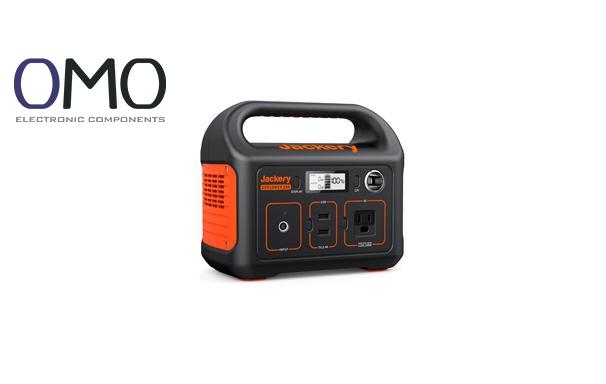
They are battery-based. Once empty, they must be recharged. Unlike fuel generators, they cannot run forever. High-power devices (like 1500W hair dryers or 1000W microwaves) use up power very fast.
Even with fast charging, large batteries need hours to recharge:
They cost more than fuel generators of the same power. But over time, you save on fuel and maintenance, which balances the price.
Lithium battery performance changes with temperature:
More capacity (>2kWh) means longer use but also more size and weight (often >20kg). This reduces portability.
It cannot power very high-watt tools (e.g., large welders or pumps). If you want full-home backup (AC, heaters), you need a fixed home energy storage system.
Charge fully with the original adapter after unboxing.
Read the manual to learn the ports, controls, and safety notes.
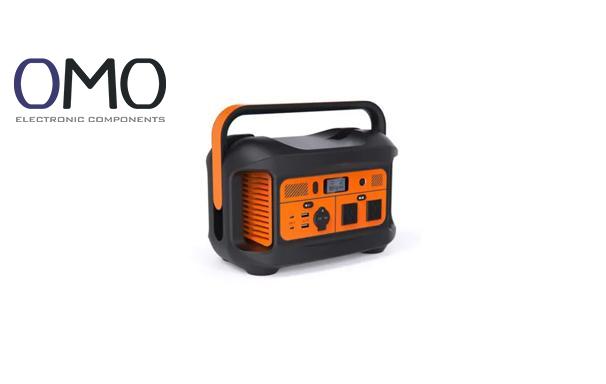
| Comparison | Portable Power Station | Traditional Fuel Generator |
| Noise level | <30 dB (very quiet) | >65 dB (very loud, needs earplugs) |
| Emissions | Zero emissions (no gas) | Emits CO, NOx, etc. (only for outdoor use) |
| Indoor use | Completely safe | Not allowed indoors or in tents |
| Ease of use | Plug and use, no maintenance | Needs fuel, oil change, pull start, complex |
| Running cost | Low (mainly electricity) | High (fuel + oil + maintenance) |
| Runtime | Limited (needs recharge) | Almost unlimited (as long as you refuel) |
| High power use | Medium/low (usually <2000W) | High (can reach 5000W or more) |
| Start time | Instant start | Needs pull or electric start |
| Comparison | Portable Power Station | Large Power Bank |
| AC Output | Yes, runs home appliances (fans, etc.) | Usually no AC output |
| Battery Capacity | 300Wh–2000Wh+ | Usually <100Wh (rarely >200Wh) |
| Output Power | High (300W–2000W+) | Very low (<100W) |
| Ports Variety | Rich (AC/USB/car/DC) | Limited (mostly USB) |
| Portability | Heavier (more capacity=more weight) | Very light (can fit in pocket) |
| Cost | Higher | Lower |
The typical lifespan of a portable power station is 3 to 15 years. This duration, measured in years or full charge cycles, is influenced by factors such as battery type, usage patterns, and maintenance practices.
For greater power demands, consider the premium EcoFlow DELTA Pro or Anker PowerHouse lines, known for strong performance and durability. The FOSSiBOT F2400 is ideal for heavy-duty applications like home backup, offering substantial capacity and output.
A portable power station is a mobile energy storage unit housing a high-capacity battery. It supplies power to various electronic devices by transforming stored energy into either alternating current (AC) or direct current (DC).
Whether a portable power station is better than a generator depends on specific needs and usage scenarios. A portable power station is better for short-term, quiet, and eco-friendly use, while a generator is superior for high-power, long-duration needs.